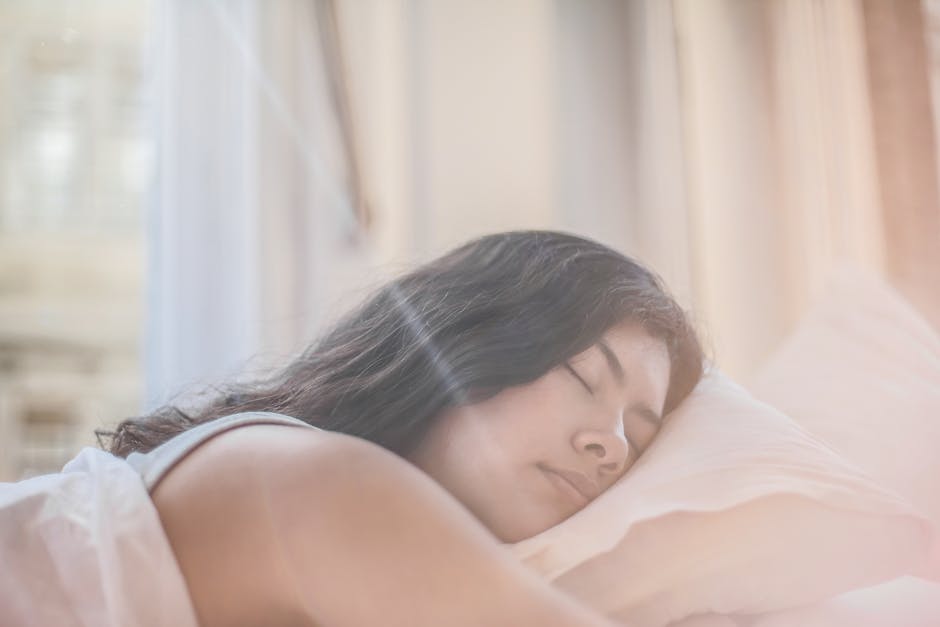
I Hadn’t Slept More Than 4 Hours in Three Years — Until I Finally Found What Was Missing
It was 3:17 AM on a Tuesday when I sat on the edge of my bed, completely exhausted but wide awake, silently crying because I couldn’t remember the last time I woke up feeling rested. My eyes burned. My mind raced. My body ached. And I had to be up for work in less than three hours. Sound familiar?
If you’re somewhere between 35 and 55 years old, chances are you know exactly what I’m talking about. The nights that stretch on forever. The mornings that come too fast. The foggy days where you’re running on caffeine and sheer willpower, snapping at your kids or your partner, struggling to focus at work, wondering what happened to the version of you that used to sleep like a rock.
You’re not broken. You’re not alone. And this isn’t your fault.
Why Sleep Gets So Much Harder After 35
Here’s something your doctor may not have told you: sleep architecture changes dramatically as we age. The deep, restorative sleep cycles that once came naturally begin to shrink. Hormonal shifts — declining melatonin production, fluctuating estrogen and testosterone levels, rising cortisol — create a perfect storm inside your body that makes genuine rest feel almost impossible.
According to the American Sleep Association, over 70 million Americans suffer from chronic sleep disorders. And adults between 35 and 55 are among the hardest hit, caught between career stress, family responsibilities, aging parents, and a body that is quietly changing in ways they were never warned about.
The science is clear:
- Melatonin production decreases by up to 50% between ages 40 and 60
- Chronic sleep deprivation is linked to weight gain, heart disease, anxiety, and cognitive decline
- Adults who sleep fewer than 6 hours per night are four times more likely to catch common illnesses
- Poor sleep increases cortisol levels, creating a vicious cycle of stress and sleeplessness
Knowing the science didn’t fix my problem. But it did help me stop blaming myself — and start looking for real answers.
My Breaking Point — And What Changed Everything
After three years of prescription sleep aids that left me groggy and dependent, after trying every white noise machine, blackout curtain, and melatonin gummy on the market, I was ready to give up. A close friend — someone who had gone through her own brutal battle with insomnia during perimenopause — told me about a comprehensive sleep supplement she had been taking for several months.
I was skeptical. Deeply, bitterly skeptical. But I was also desperate.
Within two weeks, something shifted. I wasn’t just falling asleep faster — I was staying asleep. I was waking up before my alarm, lying in bed and actually feeling like my body had done something overnight. Like it had healed. I cried again, but this time it was out of pure, overwhelming relief.
What to Look For in a Quality Sleep Supplement
Not all sleep supplements are created equal. After doing extensive research and trial and error, I learned that the most effective formulas address multiple pathways to sleep, not just one. Here’s what actually matters:
Magnesium Glycinate
This form of magnesium is highly absorbable and plays a critical role in calming the nervous system. Nearly 68% of Americans are deficient in magnesium, and that deficiency directly interferes with your ability to reach deep sleep stages.
L-Theanine
Found naturally in green tea, L-Theanine promotes alpha brain wave activity — the same relaxed state your brain enters during meditation. It reduces anxiety without sedation, helping your mind quiet down without feeling drugged.
Ashwagandha
This powerful adaptogen has been clinically shown to reduce cortisol levels by up to 30%. Since elevated cortisol is one of the primary reasons adults lie awake at night, addressing it directly can be life-changing.
Melatonin (Low Dose)
The research increasingly supports lower doses of melatonin — between 0.5mg and 1mg — as more effective than the high-dose options cluttering pharmacy shelves. Less is genuinely more when it comes to this hormone.
The Ripple Effect of Finally Sleeping
What nobody tells you about fixing your sleep is how dramatically it changes everything else. Within a month of sleeping properly, my anxiety decreased noticeably. I lost the stubborn five pounds I’d been fighting for two years. My patience with my family returned. My creativity at work came back. I stopped reaching for a third cup of coffee by noon.
Sleep is not a luxury. It is the foundation of every single thing you want to feel and achieve.
You deserve to wake up tomorrow and feel genuinely rested. You deserve evenings that don’t fill you with dread about another sleepless night. You deserve your life back — and I mean that with everything I have.
Ready to Finally Sleep Again?
If you recognize yourself anywhere in this story, I want you to take one small, courageous step tonight. The supplement that changed my life is available right now, and thousands of people between 35 and 55 are already waking up transformed.
Don’t spend another night staring at the ceiling. Don’t lose another week, another month, another year to exhaustion. You’ve already waited long enough.
Your best night of sleep is closer than you think. I’m proof of that.
PINTEREST_IMAGE: exhausted woman finally sleeping peacefully bedroom
PINTEREST_TEXT: Finally Wake Up Feeling Rested